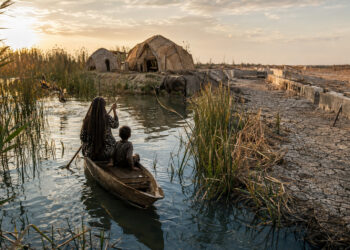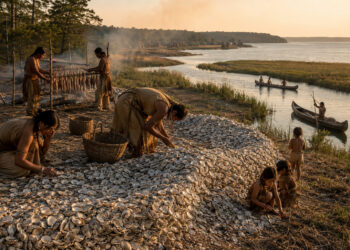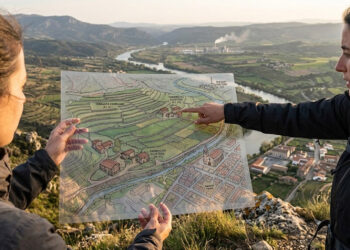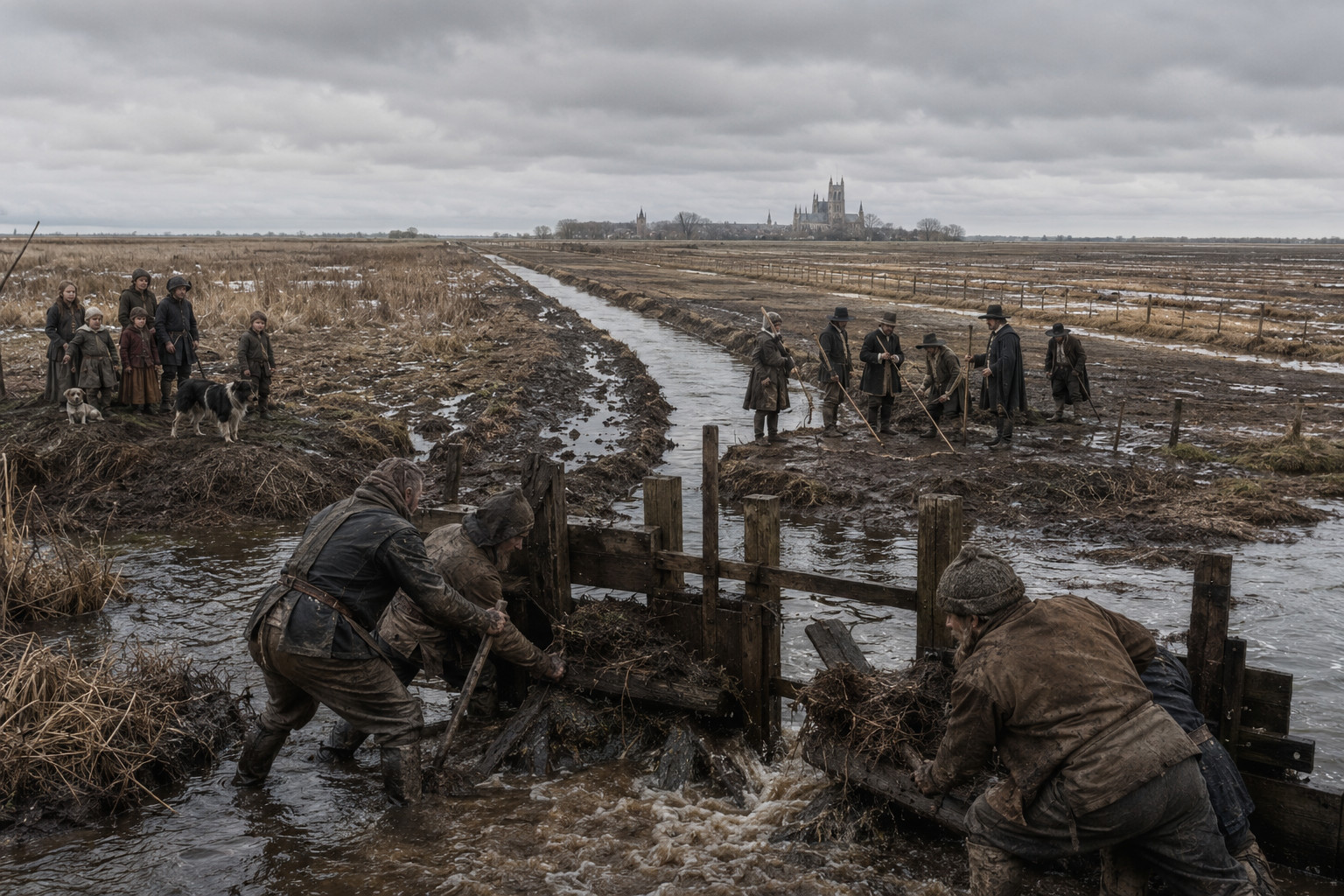
Stretching across eastern England, the Fens long looked less like countryside than like a waterworld: shallow tidal creeks, reed beds, grazing sikes and seasonally flooded meadows. For medieval communities this was not vacant land but a working one — fisheries, fowling, peat cutting, and reed thatching supported villages clustered on higher ‘islands’ of clay. The cathedral at Ely stands on one of those islands, its cathedral tower visible for miles and a constant reminder that people had learned to live with water rather than fight it.
The 17th-century gamble: drainage, engineers, and social rupture
In the 1600s a far more ambitious plan arrived: to drain the Fens and convert them into arable farmland. Dutch engineers, most famously Cornelius Vermuyden, were brought in to straighten rivers, cut drains and build embankments. The technical achievement was impressive — long channels and sluices began to carry water away and keep fields dry — but the social consequences were messy.
Drainage disrupted centuries-old commons and livelihoods. Peat cutters, fishermen and commoners found their rights eroded as newly drained plots were enclosed and sold to investors. Resistance followed: legal battles, local protests and acts of sabotage against new works. The transformation of the Fens was as much a political and social project as an engineering one, rearranging who owned the land and who made a living from it.
Subsidence, steam power, and a changing ecology
Draining peatland has another, less visible effect: peat shrinks and oxidizes when exposed, and land sinks. Over decades the reclaimed Fens lowered relative to sea level, making drainage an ongoing requirement. By the 19th century steam pumping stations — eventually replaced by diesel and electric pumps — became part of the landscape, tirelessly moving water away to keep crops safe. The result was extraordinary productivity: some of England’s richest arable soils, especially for cereals and vegetables.
But the ecological trade-offs were stark. Wetland habitats contracted, species tied to reedbeds and seasonal floods declined, and the eerie fenland mosaic of islands, meres and morasses became fields and drains. In the late 19th and early 20th centuries a different impulse emerged: conservation. Wicken Fen, protected around 1899, became one of the first efforts to keep a fragment of fenland’s original wet ecology alive.
Conclusion
Today the Fens read as wide flat farmland from a car window, but the region still bears visible signs of its watery past: pumping stations, raised villages like Ely, and strips of reserve land where reed and marsh persist. The story of the Fens is a compact history of human ambition — engineering, enclosure, productivity and an uneasy conservation — and it reminds us how landscapes are made and remade by both technology and the livelihoods that depend on them.