
Regions are living mosaics formed by environment, migration, and human choices. They carry layered stories that inform local practices, language, and built environments. Studying a region means reading traces of industry, ritual, and everyday life across time. This article surveys how geography, exchange, and memory combine to shape distinct regional characters.
Geography and Early Settlement
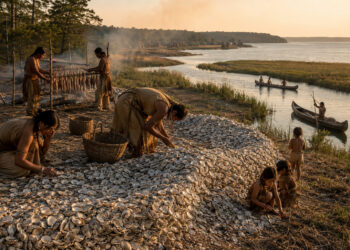
Physical landscapes set initial parameters for human settlement, from river valleys that support agriculture to uplands that favor pastoralism. Natural resources and climate influenced where communities clustered and how they organized land tenure and transport routes. These early patterns often persist in property boundaries, road networks, and land-use customs. Understanding early settlement helps explain why some towns became trade hubs while others remained dispersed rural communities.
In many regions the tangible imprint of early settlement remains visible in archaeological sites and vernacular architecture. Those features offer clues about adaptation strategies and the transmission of technical knowledge. They also provide a foundation for later cultural layering.
Economic Patterns and Cultural Exchange
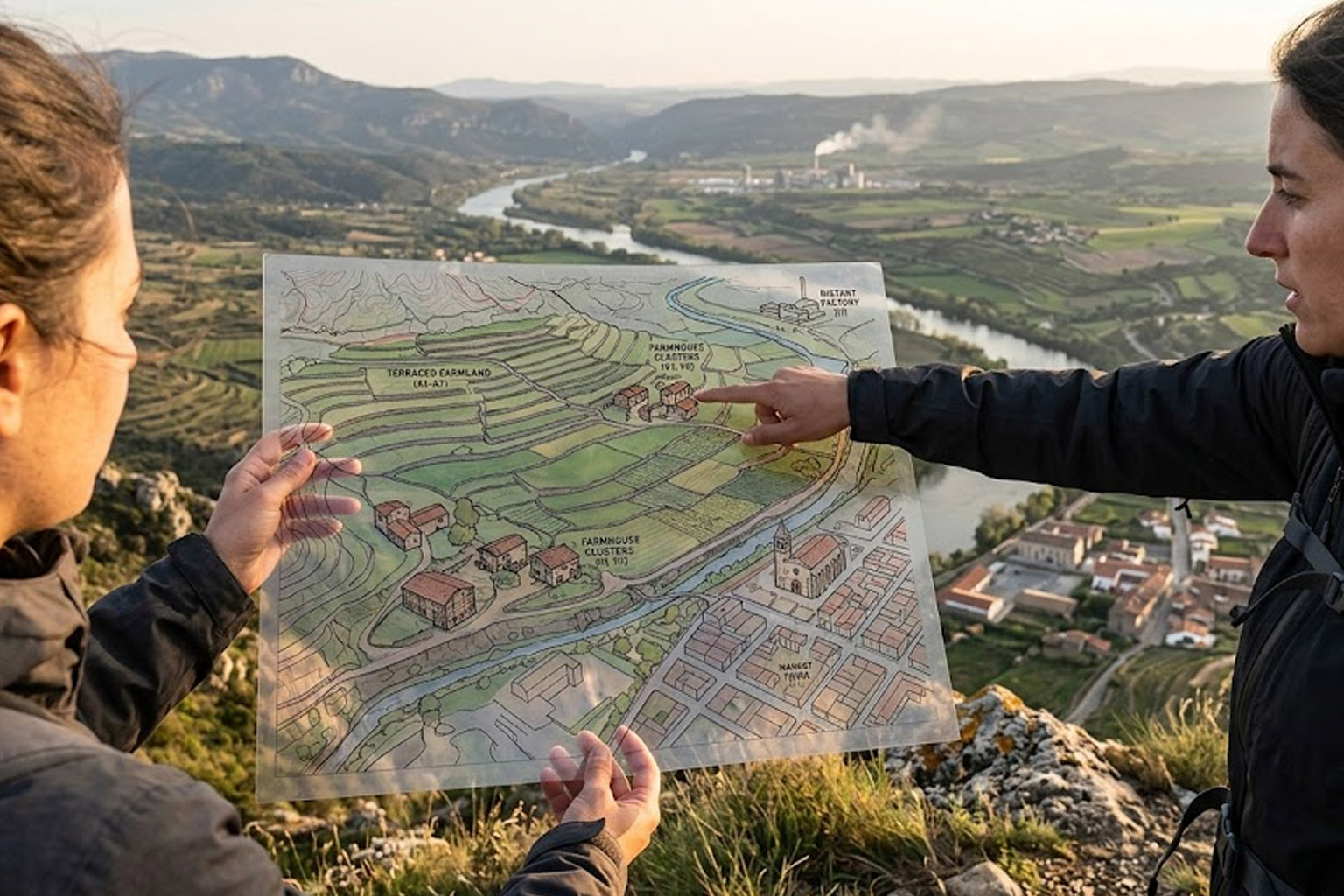
Over time economies diversify and connect regions through exchange, migration, and shifting markets. Trade routes bring new goods, ideas, and techniques, fostering cultural hybridity as local practices absorb external influences. Industrial shifts can reconfigure labor patterns and reshape urban-rural relations, while agricultural innovations alter settlement density and social hierarchies. Economic history therefore acts as a window into changing values and material culture across a region.
These economic layers are readable in regional industry clusters, market towns, and the distribution of craft traditions. They reveal how communities responded to opportunity and constraint, and how local identities adapted amid wider economic change.
Memory, Heritage, and Modern Identity
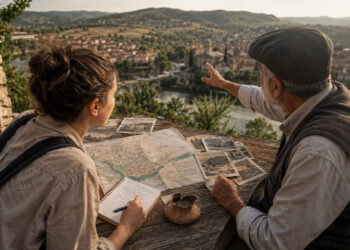
Collective memory and heritage practices play a central role in how regions perceive themselves and present their pasts. Museums, festivals, and place names curate selective narratives that shape contemporary regional identity and tourism strategies. Debates over which histories to highlight also reflect ongoing power relations and the desire to reconcile complex pasts with present values. Heritage work is therefore both interpretive and political.
Contemporary regional identity emerges from negotiation between traditional practices and modern pressures such as migration and technological change. This negotiation influences planning decisions and educational choices that will guide future heritage layers.
Conclusion
Regions accumulate cultural layers through geography, economy, and collective memory. Studying those layers reveals how communities adapt and redefine themselves over time. Appreciating this complexity enriches both scholarship and local stewardship.