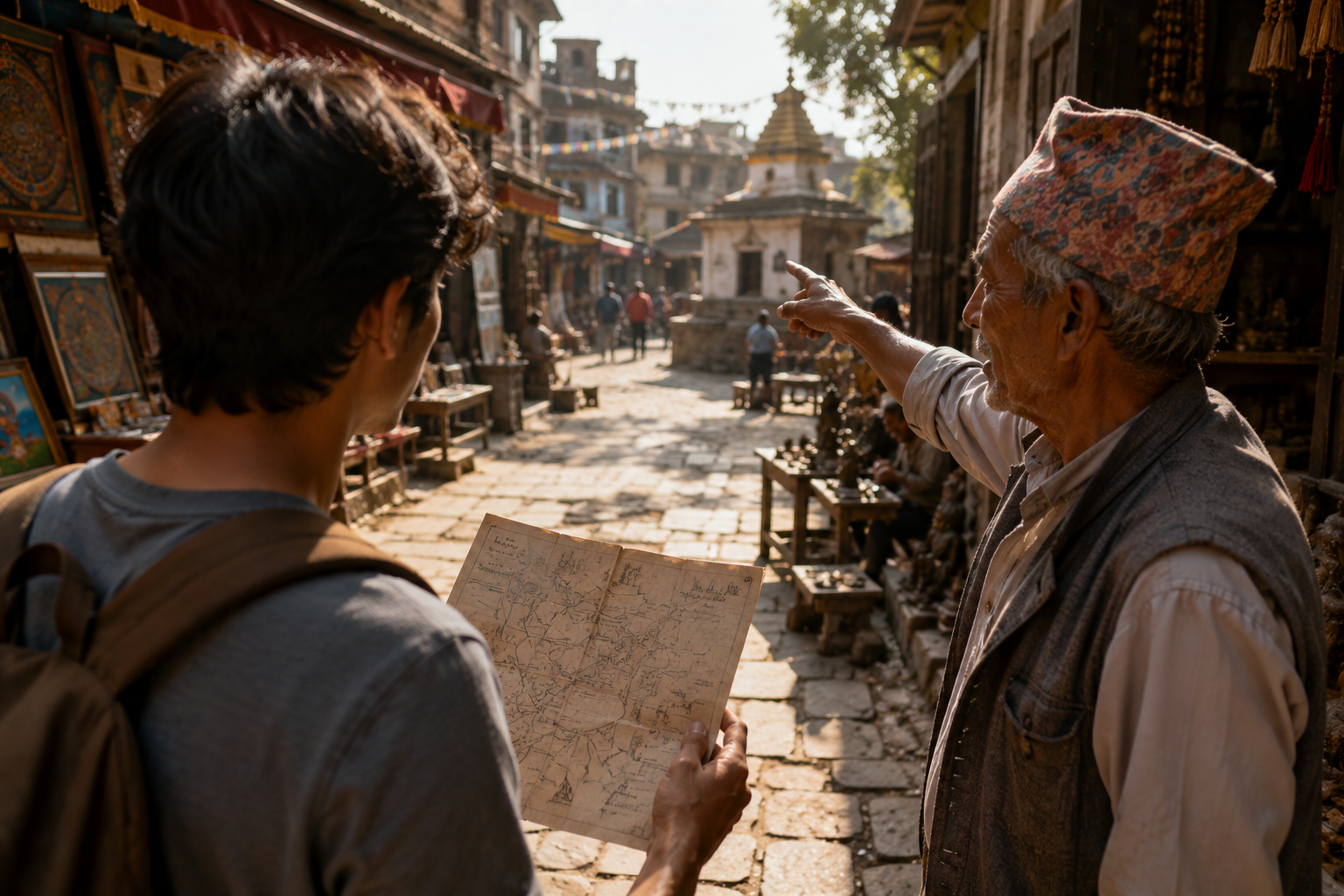
Regions are not simply lines on a map; they are made through daily practices and shared places.
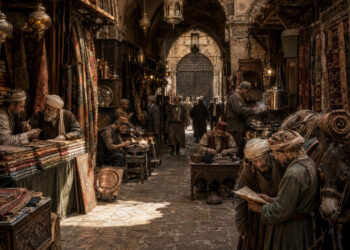
Markets, lanes, workshops, and ritual sites accumulate stories and meanings across generations.
Looking at these ordinary spaces foregrounds the ways communities negotiate memory, belonging, and difference.
This piece outlines how material traces, institutions, and local routines contribute to long-term regional identities.
Paying attention to the everyday helps historians recover layered, contested, and resilient senses of place.
Historic Boundaries and Everyday Life
Historic boundaries often coexist with networks of exchange and migration that resist neat administrative definitions. Everyday interactions at crossroads or neighborhood hubs can sustain regional vocabularies and reputations even as formal borders shift. Oral testimonies and local newspapers reveal how residents narrate continuity or change in ways that official records overlook. Studying these practices shows the interplay between mobility, memory, and the perception of a region. Local ceremonies and daily exchanges encode evaluations of neighbors and outsiders.
Attending to lived experience reframes questions about stability and change in a region. It emphasizes practices and meanings that persist beneath official transformations.
Landscape, Labor, and Local Institutions
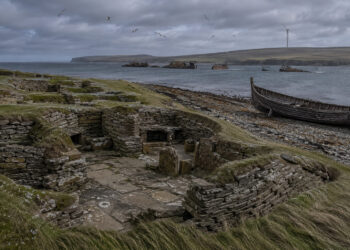
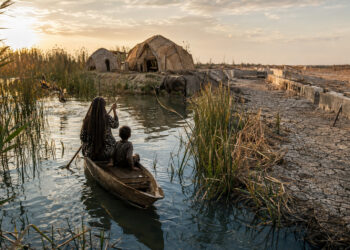
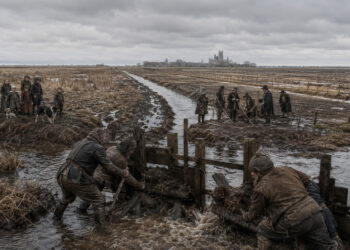
Material landscapes—fields, buildings, roads—register labor patterns and institutional arrangements that shape communal rhythms. Schools, markets, guilds, and religious sites organize time, skill transmission, and social networks that anchor people to place. Seasonal labor and migration rhythms often leave durable cultural imprints, from festivals to craft techniques, which circulate within a region. Together, physical and social infrastructures make regions legible from the ground up. Language and culinary habits transmitted through family networks also mark regional distinctiveness.
- Markets as sites of exchange and information.
- Simple infrastructure like bridges or paths shaping connectivity.
- Local associations that regulate craft and ritual calendars.
These elements are small but cumulative contributors to regional character. They invite interdisciplinary attention that balances material evidence with ethnography.
Sources and Methods for Regional Study
Recovering these dynamics requires diverse sources and methods that privilege granularity. Parish records, account books, cadastral maps, oral histories, and built fabric all contribute complementary evidence. Digital mapping and prosopography can reveal patterns of movement and affiliation across decades or centuries. Historians must also remain attentive to silences and power dynamics that shape whose memories endure.
Methodological pluralism allows scholars to assemble a textured picture of regional life. Such reconstructions highlight both continuity and contestation in the making of place.
Conclusion
By tracing everyday places we can see how regions are built over time.
This perspective centers ordinary actors and mundane sites as engines of historical change.
It also offers a careful framework for recovering contested and layered regional memories.