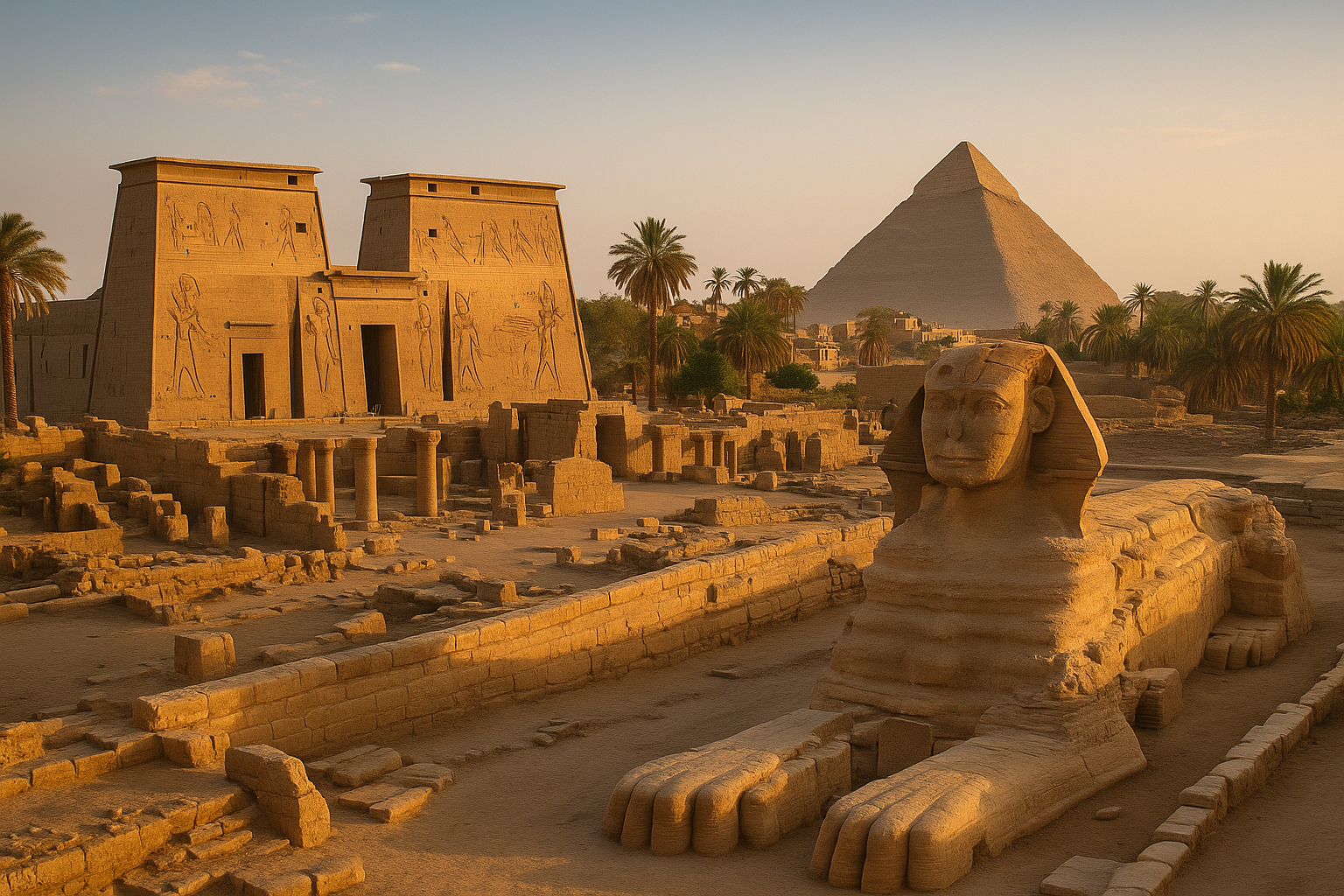
When people think of Ancient Egypt, the pyramids and pharaohs instantly come to mind. But beyond these monumental structures lies a civilization rich in culture, innovation, and mystery—a society that shaped art, science, religion, and governance for millennia. The story of Egypt goes far deeper than stone monuments; it’s about people, progress, and legacy.
A Civilization Built on the Nile
The lifeblood of Ancient Egypt was the Nile River. Its predictable floods made agriculture flourish, allowing the people to settle and build one of the most enduring civilizations in history. The Nile was not just a source of sustenance—it was a symbol of renewal and divine order, influencing everything from their calendar to their mythology.
Life Beyond the Pharaohs
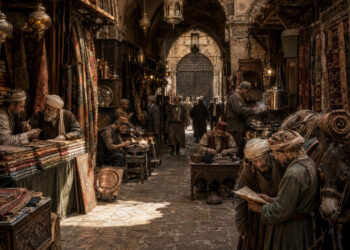
While the kings and queens of Egypt often take center stage, everyday Egyptians played crucial roles in sustaining their empire. Farmers, craftsmen, merchants, and scribes formed the backbone of society. Their contributions in architecture, trade, and record-keeping helped Egypt thrive. Hieroglyphs, their intricate writing system, preserved not just royal decrees but songs, prayers, and personal stories that reveal their daily lives.
Faith, Art, and Innovation
Religion was deeply woven into Egyptian life. Temples honored gods like Ra, Isis, and Osiris, representing balance between life and the afterlife. Their art—seen in carvings, sculptures, and jewelry—reflected both devotion and an understanding of beauty and proportion that influenced future civilizations. Egyptians were also pioneers in medicine, mathematics, and astronomy, advancing human knowledge long before modern science.
A Legacy That Endures
Though empires have risen and fallen since Egypt’s height, its legacy endures in language, architecture, and art. The principles of balance, harmony, and eternal life continue to inspire modern culture, reminding us that Ancient Egypt was more than a land of pyramids—it was a cradle of human brilliance and imagination.
Conclusion
Ancient Egypt’s greatness was not just in its monuments but in its people, ideas, and spirit. Their civilization stands as a timeless reminder that innovation and wisdom can outlast stone. To look beyond the pyramids is to glimpse the soul of a society that defined what it means to build a legacy that never fades.