

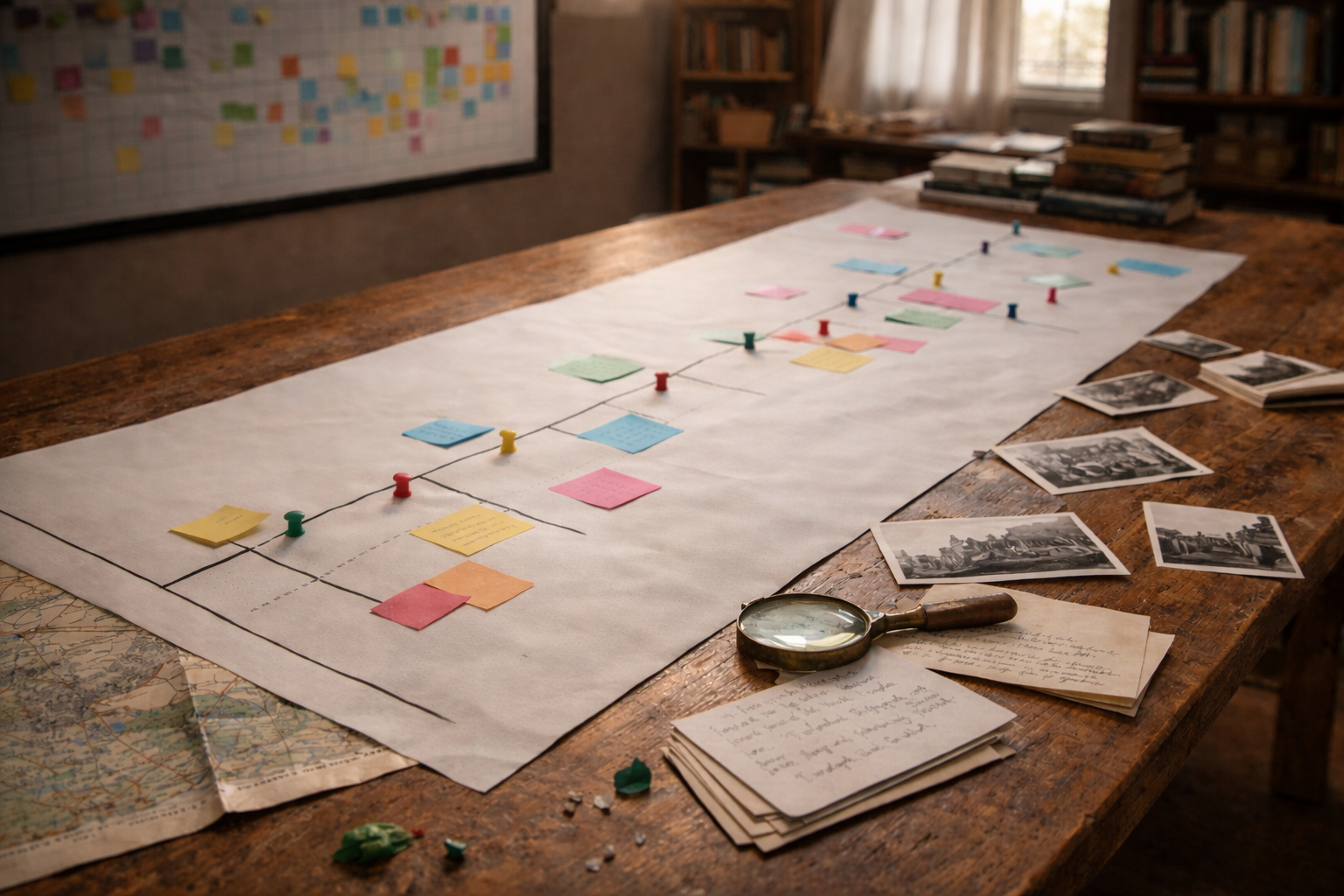
Timelines are powerful tools for presenting local history in a clear, engaging way. They help audiences see patterns, context, and connections that single narratives can miss. A well-designed timeline starts with purpose and careful choices about scope, sources, and presentation. This article outlines practical steps to build timelines that serve diverse community audiences.
Defining Purpose and Audience
Begin by identifying why the timeline exists and who will use it. Is the goal to educate school groups, support a museum exhibit, or provide an online resource for researchers and residents? Clarifying the primary audience shapes tone, detail level, and accessibility features. Consider language, reading level, and any cultural sensitivities that may affect interpretation.
Once the purpose is clear, gather stakeholders for early feedback. Community members, educators, and subject experts can highlight priorities and potential gaps. Their input helps avoid surprises and ensures the timeline addresses real needs.
Choosing Scope and Chronology
Selecting the right temporal and thematic scope prevents overload while maintaining relevance. Decide whether the focus will be a specific event, a decade, or a long-term trend, and choose boundaries that support your narrative without excluding crucial context. Establish consistent rules for dating items and resolving ambiguous timeframes, such as approximate years or eras.
Organize entries with a clear chronological structure but allow for topical clusters when helpful. Cross-references and brief contextual notes can guide readers through complex periods without derailing the main timeline.
Design and Engagement Strategies
Design choices affect readability and user engagement more than flashy features. Use a simple visual hierarchy, legible type, and high-contrast colors to support accessibility. Prioritize concise text, clear labels, and images or icons that reinforce entries without cluttering the layout.
- Provide multiple entry points: chronological, thematic, and map-based views.
- Include short primary-source excerpts to deepen engagement.
- Offer translation or transcription options where appropriate.
Interactive elements such as filters or zoom functions can enhance exploration for online timelines. For physical displays, tactile elements and well-placed captions help visitors of varying abilities connect with the material.
Conclusion
Creating an accessible community timeline requires intentional decisions about purpose, scope, and design. Engage stakeholders early and prioritize clarity and inclusivity in presentation. Thoughtful planning produces timelines that inform, connect, and inspire diverse audiences.