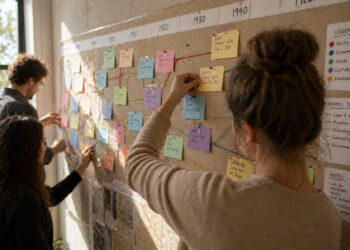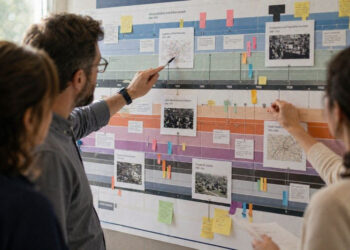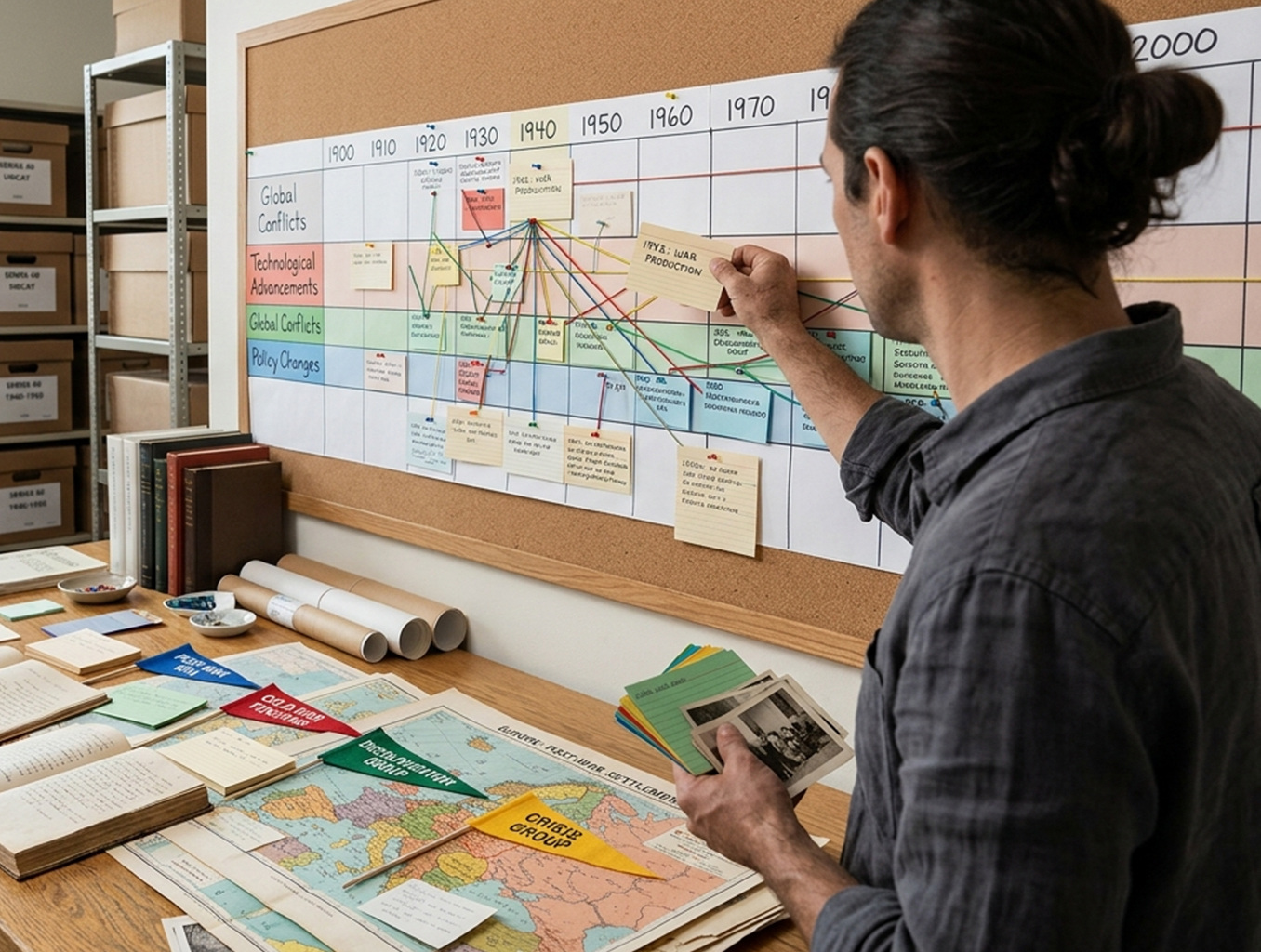
Historical timelines turn complex sequences of events into coherent, navigable narratives.
They reveal patterns of cause and effect, shifts in power, and the emergence of long-term trends.
When crafted thoughtfully, timelines invite both quick scanning and deeper investigation of sources.
This article explains practical principles for choosing content, scale, and design to build useful timelines.
Principles of Effective Timelines
Begin by identifying the core story your timeline should tell and define the primary audience so entries stay focused and purposeful. Prioritize events that directly contribute to that narrative and minimize tangential details that can distract readers or obscure major developments. Use consistent date formats, concise descriptions, and where helpful brief citations so users can verify claims without leaving the timeline. Provide clear start and end points to frame the chronology, and highlight turning points or inflection moments with short contextual notes. Cross-reference parallel developments and offer links to deeper articles or documents to encourage further exploration.
These principles keep timelines purposeful and readable while preserving scholarly rigor. They form a foundation for scale, editorial choices, and update policies as research continues. Maintaining this clarity helps both casual visitors and researchers find value quickly.
Choosing Scale and Scope
Decide early whether the timeline will be a broad survey spanning centuries or a focused micro-history of a particular event, because density of entries must match that choice. Align geographic and thematic scope with available sources and audience needs to avoid skewed emphasis that distorts interpretation. For long runs, group periods into labeled eras or phases to communicate larger arcs without overwhelming detail. For granular timelines, include precise timestamps, original documents, and brief interpretive notes to anchor each entry in evidence. Consistent temporal spacing and proportional visual scales help users compare durations and rates of change across topics.
Clear scope prevents arbitrary inclusions and strengthens credibility with your readers. Document your selection criteria so future contributors understand why items were included or excluded. Revisiting scope as new research emerges keeps the timeline accurate and relevant.
Visual Design and Accessibility
Visual and interaction design determine how quickly a timeline communicates its key ideas, so choose typography, color, iconography, and spacing deliberately to support reading at a glance. Use color to group themes but avoid relying on color alone; include labels, patterns, and shapes to ensure accessibility for people with color-vision differences. Interactive tools such as filters, zoom, and layer toggles let readers explore different perspectives without overwhelming the initial presentation. Make sure text contrast, font sizes, and touch targets meet accessibility guidelines and that keyboard and screen-reader navigation are tested. Provide short captions for images and clear source attributions so context and provenance remain visible.
Good visual design invites exploration while remaining inclusive and informative. User testing with a range of real readers and assistive technologies reveals practical usability issues. Iteration based on feedback turns a static timeline into a living research and learning tool.
Conclusion
Timelines distill complexity into navigable stories that support both overview and inquiry.
Thoughtful choices about content, scale, and design determine how effectively a timeline communicates.
Iterate, document, and test to create timelines that educate, engage, and endure.