
Uncover History’s Secrets with Daily Updates!
Daily News Entertainment
  • Home
  • History
  • Biographies
  • Eras
  • Regions
  • Timeline
No Result
View All Result
History Ours
  • Home
  • History
  • Biographies
  • Eras
  • Regions
  • Timeline
No Result
View All Result
History Ours
No Result
View All Result
Home Timeline

Designing Effective Chronologies for Online History Projects

in Timeline
Designing Effective Chronologies for Online History Projects

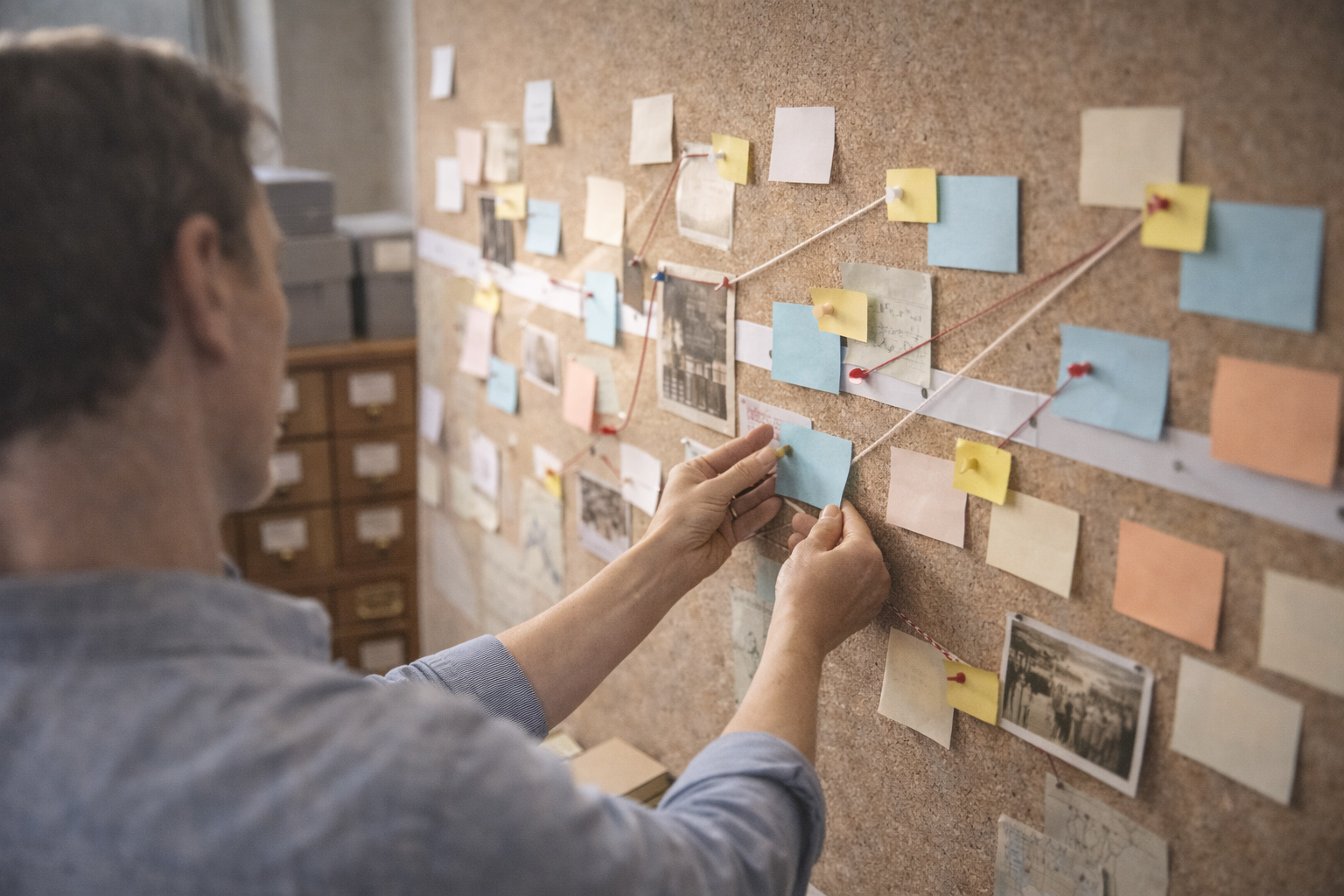
Creating an accessible and informative chronology is a foundational task for any history-focused website. A well-designed timeline helps readers follow complex developments and connect events across themes and periods. When planning a timeline, consider the audience, the intended depth, and how users will navigate material on different devices. Clear goals and consistent structuring make chronologies both engaging and trustworthy.

Purpose and audience

Define the purpose of the chronology before gathering content and tools. Is the timeline meant to introduce a topic to general readers, support academic research, or serve as an interactive teaching aid? Knowing the intended audience shapes tone, vocabulary, and the level of detail you include. It also informs choices about multimedia, explanatory notes, and the balance between breadth and depth. Clarity about purpose reduces scope creep and keeps the project focused.

Establishing audience expectations early guides every design decision. This alignment makes the timeline more useful and easier to evaluate. Regularly revisit goals as content is added.

Scope and granularity

Decide on temporal scope and the granularity of entries to maintain consistency across the chronology. Broad surveys benefit from decade- or century-level markers, while focused studies require event-level entries with precise dates. Consider thematic groupings that allow users to filter content by topic, geography, or actor, so the timeline can serve multiple research needs. Metadata standards and consistent date formats improve discoverability and data reuse. Thoughtful scope choices prevent user overwhelm and enhance interpretive clarity.

  • Macro timelines: centuries and major turning points
  • Meso timelines: decades and notable developments
  • Micro timelines: specific events and primary-source entries

Offering filtered views lets readers choose the appropriate level of detail. This flexibility supports diverse learning goals.

Visual layout and interactivity

Design the visual layout to prioritize readability and navigation on both large screens and mobile devices. Use color and spacing to group related entries and to signal causal chains or concurrent developments. Interactive features—search, zoom, pop-up annotations, and linked sources—encourage deeper exploration without cluttering the main timeline. Ensure accessibility by providing keyboard navigation, readable fonts, and alternative text for images. Performance optimization keeps interactive timelines responsive and enjoyable to use.

Test layouts with real users and iterate based on feedback. Small adjustments in contrast or labeling can significantly improve comprehension.

Sourcing and verification

Reliable sourcing and transparent citations are essential for scholarly credibility and user trust. Provide clear references for each entry, distinguishing between primary and secondary sources where possible. Annotations or short explanatory notes help contextualize contested dates or interpretations. Maintain a changelog and version control for updates to document editorial decisions and corrections. Encouraging user contributions with moderation workflows can expand content while preserving quality.

Consistent citation formats and accessible source links make verification straightforward. Reliability is the backbone of any historical chronology.

Conclusion

Effective online chronologies combine clear purpose, consistent scope, and thoughtful design to guide users through complex histories.
Prioritize accessibility, reliable sourcing, and responsive interactivity to broaden reach and trust.
Iterative testing and careful documentation will keep timelines accurate, engaging, and useful over time.

Previous Post

Constructing Accurate Historical Timelines for Clear Understanding

Next Post

From Spoon to Streetlamp: How Objects Map Everyday Life

Related Posts

How Haiti Broke Its Chains: A 1791–1804 Timeline
Timeline

How Haiti Broke Its Chains: A 1791–1804 Timeline

September 15, 2026
From Horses to Wires: How the Pony Express Met the Telegraph
Timeline

From Horses to Wires: How the Pony Express Met the Telegraph

September 15, 2026
From Swamps to Shortcut: A Timeline of the Panama Canal
Timeline

From Swamps to Shortcut: A Timeline of the Panama Canal

September 15, 2026
1815–1818: The Tambora Eruption and the Year Without a Summer
Timeline

1815–1818: The Tambora Eruption and the Year Without a Summer

September 15, 2026
Next Post
From Spoon to Streetlamp: How Objects Map Everyday Life

From Spoon to Streetlamp: How Objects Map Everyday Life

Search..

No Result
View All Result

Recent Articles

The Disguise That Broke Chains: Ellen and William Craft

The Disguise That Broke Chains: Ellen and William Craft

September 15, 2026
Bass Reeves: The Marshal Who Hunted Outlaws in Indian Territory

Bass Reeves: The Marshal Who Hunted Outlaws in Indian Territory

September 15, 2026
How the Crystal Palace Turned Glass and Iron into a Modern Stage

How the Crystal Palace Turned Glass and Iron into a Modern Stage

September 15, 2026
Anne Bonny: The Pirate Who Broke Rules and Expectations

Anne Bonny: The Pirate Who Broke Rules and Expectations

September 15, 2026
How Haiti Broke Its Chains: A 1791–1804 Timeline

How Haiti Broke Its Chains: A 1791–1804 Timeline

September 15, 2026

Subscribe Us

By clicking submit, I authorize History Ours and its affiliated companies to: (1) use, sell, and share my information for marketing purposes, including cross-context behavioral advertising, as described in our Terms of Service and Privacy Policy, (2) supplement the information that I provide with additional information lawfully obtained from other sources, like demographic data from public sources, interests inferred from web page views, or other data relevant to what might interest me, like past purchase or location data, (3) contact me or enable others to contact me by email with offers for goods and services from any category at the email address provided, and (4) retain my information while I am engaging with marketing messages that I receive and for a reasonable amount of time thereafter. I understand I can opt out at any time through an email that I receive, or by clicking here

Subscribe To Our Newsletter

By clicking submit, I authorize History Ours and its affiliated companies to: (1) use, sell, and share my information for marketing purposes, including cross-context behavioral advertising, as described in our Terms of Service and Privacy Policy, (2) supplement the information that I provide with additional information lawfully obtained from other sources, like demographic data from public sources, interests inferred from web page views, or other data relevant to what might interest me, like past purchase or location data, (3) contact me or enable others to contact me by email with offers for goods and services from any category at the email address provided, and (4) retain my information while I am engaging with marketing messages that I receive and for a reasonable amount of time thereafter. I understand I can opt out at any time through an email that I receive, or by clicking here.

© 2026 History Ours | All Rights Reserved

  • Contact Us
  • Privacy Policy
  • Terms of Service
  • Unsubscribe
  • Privacy Choices
  • Contact Us
  • Privacy Policy
  • Terms of Service
  • Unsubscribe
  • Privacy Choices

© 2026 History Ours | All Rights Reserved

No Result
View All Result
  • Home
  • History
  • Biographies
  • Eras
  • Regions
  • Timeline

© 2026 History Ours | All Rights Reserved

Skip to content
Open toolbar Accessibility Tools

Accessibility Tools

  • Increase TextIncrease Text
  • Decrease TextDecrease Text
  • GrayscaleGrayscale
  • High ContrastHigh Contrast
  • Negative ContrastNegative Contrast
  • Light BackgroundLight Background
  • Links UnderlineLinks Underline
  • Readable FontReadable Font
  • Reset Reset