Uncover History’s Secrets with Daily Updates!
Daily News Entertainment
  • Home
  • History
  • Biographies
  • Eras
  • Regions
  • Timeline
No Result
View All Result
History Ours
  • Home
  • History
  • Biographies
  • Eras
  • Regions
  • Timeline
No Result
View All Result
History Ours
No Result
View All Result
Home Timeline

The History of Printing, Media, and Expression

in Timeline
The History of Printing, Media, and Expression

The history of printing and media is deeply intertwined with humanity’s desire to share ideas, preserve knowledge, and express identity. Long before digital screens and instant communication, societies relied on manual methods to record thoughts and spread information. Each major advancement in printing and media reshaped how people learned, debated, and understood the world around them. These shifts didn’t just change technology—they transformed culture, power structures, and personal expression. Tracing this history reveals how communication has always been a driving force behind social change.

From Oral Traditions to Early Writing

Before printing, knowledge was passed primarily through oral storytelling, symbols, and handwritten manuscripts. Early writing systems allowed ideas to be recorded, but copying texts was slow and limited to elites. This scarcity made information powerful and controlled, shaping who could learn and who could teach. Written expression existed, but it was fragile, localized, and difficult to scale across societies.

The Printing Press and the Spread of Ideas

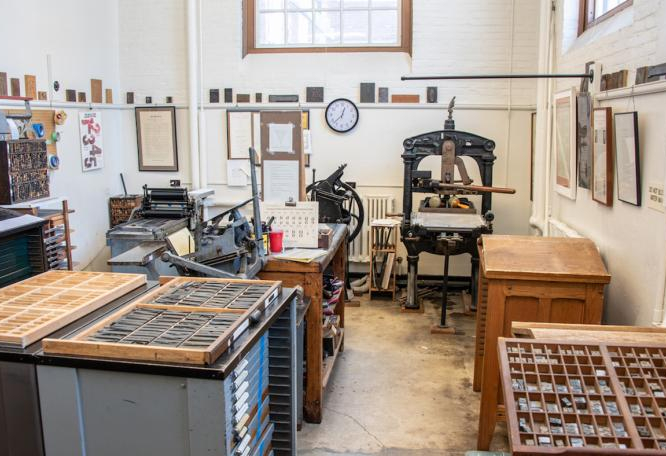
The invention of the printing press marked a revolutionary turning point. For the first time, texts could be reproduced efficiently and consistently. Books, pamphlets, and newspapers became more accessible, allowing ideas to circulate beyond religious or political authorities. Literacy expanded, education became more attainable, and public debate flourished. Printing empowered individuals to engage with new perspectives and challenged long-standing systems of control.

Media, Journalism, and Public Voice

As printing evolved, media became a tool for shaping public opinion. Newspapers and journals created shared narratives and informed citizens about events beyond their immediate surroundings. Journalism emerged as a platform for accountability, investigation, and social awareness. This era strengthened the idea that expression could influence governance, reform, and collective identity, giving the public a stronger voice in societal direction.

The Digital Shift in Expression

Modern media has transformed expression once again. Digital publishing, social platforms, and multimedia storytelling allow individuals to create and distribute content instantly. Barriers to entry are lower than ever, enabling diverse voices to be heard globally. At the same time, the speed and scale of information challenge traditional ideas of credibility and permanence. Expression has become more immediate, interactive, and widespread, reshaping how truth and creativity are perceived.

Conclusion

The history of printing and media reflects humanity’s constant pursuit of connection and expression. Each innovation expanded access to ideas while redefining who gets to speak and be heard. From hand-copied texts to digital platforms, media has continually shaped how societies think, communicate, and evolve.


Previous Post

Ancient Mesopotamia: The First Urban Revolution

Next Post

The Changing Role of Women Through History

Related Posts

How the Black Death Spread Across Europe, 1347–1351
Timeline

How the Black Death Spread Across Europe, 1347–1351

October 28, 2026
The Great Stink of 1858: How London Smell Rebuilt Itself
Timeline

The Great Stink of 1858: How London Smell Rebuilt Itself

October 28, 2026
A Timeline of the Dutch Golden Age and the VOC
Timeline

A Timeline of the Dutch Golden Age and the VOC

October 23, 2026
The Printing Press: A Timeline from Gutenberg to Mass Media
Timeline

The Printing Press: A Timeline from Gutenberg to Mass Media

October 23, 2026
Next Post
The Changing Role of Women Through History

The Changing Role of Women Through History

Search..

No Result
View All Result

Recent Articles

How Carrara’s Marble Carved a Peculiar Mountain Region

How Carrara’s Marble Carved a Peculiar Mountain Region

November 1, 2026
The Great Dismal Swamp: Refuge, Labor, and a Hidden Region

The Great Dismal Swamp: Refuge, Labor, and a Hidden Region

November 1, 2026
The Salon Era: How Conversation Shaped the Enlightenment

The Salon Era: How Conversation Shaped the Enlightenment

October 31, 2026
Tenement New York: Life in Vertical Slums, 1870–1910

Tenement New York: Life in Vertical Slums, 1870–1910

October 31, 2026
Mary Seacole: The Jamaican Nurse Who Went to War

Mary Seacole: The Jamaican Nurse Who Went to War

October 30, 2026

Subscribe Us

By clicking submit, I authorize History Ours and its affiliated companies to: (1) use, sell, and share my information for marketing purposes, including cross-context behavioral advertising, as described in our Terms of Service and Privacy Policy, (2) supplement the information that I provide with additional information lawfully obtained from other sources, like demographic data from public sources, interests inferred from web page views, or other data relevant to what might interest me, like past purchase or location data, (3) contact me or enable others to contact me by email with offers for goods and services from any category at the email address provided, and (4) retain my information while I am engaging with marketing messages that I receive and for a reasonable amount of time thereafter. I understand I can opt out at any time through an email that I receive, or by clicking here

Subscribe To Our Newsletter

By clicking submit, I authorize History Ours and its affiliated companies to: (1) use, sell, and share my information for marketing purposes, including cross-context behavioral advertising, as described in our Terms of Service and Privacy Policy, (2) supplement the information that I provide with additional information lawfully obtained from other sources, like demographic data from public sources, interests inferred from web page views, or other data relevant to what might interest me, like past purchase or location data, (3) contact me or enable others to contact me by email with offers for goods and services from any category at the email address provided, and (4) retain my information while I am engaging with marketing messages that I receive and for a reasonable amount of time thereafter. I understand I can opt out at any time through an email that I receive, or by clicking here.

© 2026 History Ours | All Rights Reserved

  • Contact Us
  • Privacy Policy
  • Terms of Service
  • Unsubscribe
  • Privacy Choices
  • Contact Us
  • Privacy Policy
  • Terms of Service
  • Unsubscribe
  • Privacy Choices

© 2026 History Ours | All Rights Reserved

No Result
View All Result
  • Home
  • History
  • Biographies
  • Eras
  • Regions
  • Timeline

© 2026 History Ours | All Rights Reserved

Skip to content
Open toolbar Accessibility Tools

Accessibility Tools

  • Increase TextIncrease Text
  • Decrease TextDecrease Text
  • GrayscaleGrayscale
  • High ContrastHigh Contrast
  • Negative ContrastNegative Contrast
  • Light BackgroundLight Background
  • Links UnderlineLinks Underline
  • Readable FontReadable Font
  • Reset Reset