
Uncover History’s Secrets with Daily Updates!
Daily News Entertainment
  • Home
  • History
  • Biographies
  • Eras
  • Regions
  • Timeline
No Result
View All Result
History Ours
  • Home
  • History
  • Biographies
  • Eras
  • Regions
  • Timeline
No Result
View All Result
History Ours
No Result
View All Result
Home History

Hidden Networks: How Local Trade Shaped Early Cities

in History
Hidden Networks: How Local Trade Shaped Early Cities

Introduction

Urban life in antiquity was shaped as much by informal ties as by formal institutions. Local trade networks threaded neighborhoods and linked producers to consumers across markets and alleys. These networks were dynamic systems of exchange where goods, information and trust circulated day by day. Understanding how they operated reveals how cities grew, adapted and sustained their populations.

Marketplaces and Social Fabric

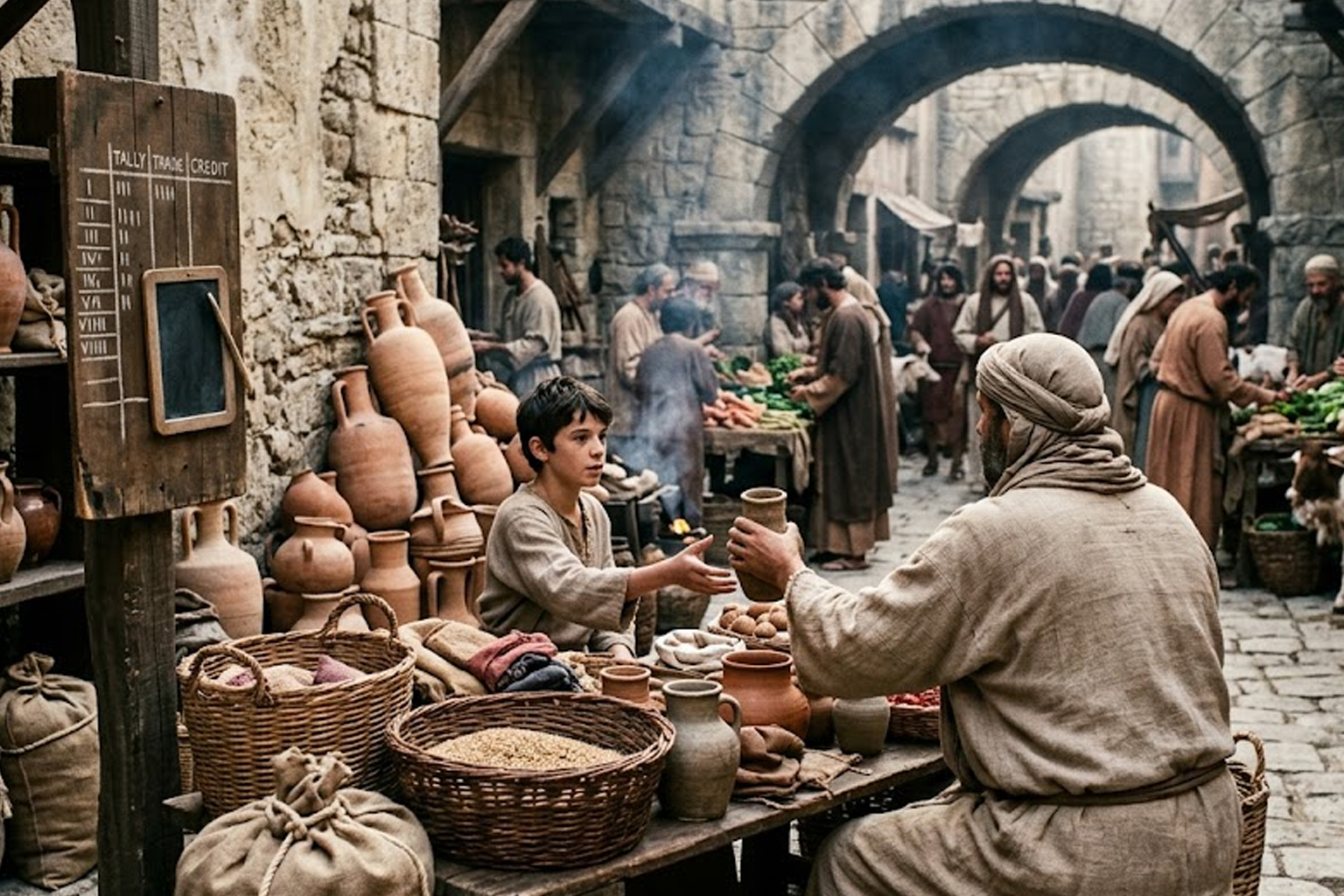
Marketplaces functioned as more than points of sale; they were communal hubs where people negotiated prices, news and relationships. Stalls and temporary arcades allowed a diverse range of sellers to meet steady streams of buyers, creating predictable rhythms in urban life. The arrangement of vendors often followed social norms and local regulations that signaled reputation and quality. Over time, repeated interactions produced networks of trust that supported credit and repeat business.

These regular patterns fostered strong social ties and a level of economic predictability. Neighborhood markets became centers for civic life as well as commerce.

Routes and Infrastructure

Routes within the city and to nearby hinterlands determined what goods arrived and how quickly they circulated. Streets, bridges and storage facilities shaped the flow of commodities and encouraged the development of specialized quarters. Seasonal variations in supply prompted traders to adapt practices, coordinating shipments and sharing information about demand. Public and private investments in infrastructure often reflected the priorities of local communities and merchants alike.

Efficient movement sustained urban populations and allowed cities to absorb shocks. Even modest improvements in storage or access could change the shape of local trade networks.

Crafts, Guilds, and Knowledge Exchange

Craftspeople and guild-like groups regulated production standards, trained apprentices and protected trade secrets that mattered for quality and reputation. These organizations acted as intermediaries between raw material suppliers and consumers, stabilizing supply chains. Apprenticeship systems transmitted technical knowledge and business practices across generations of urban workers. In many cases these arrangements supported innovation by concentrating skill and facilitating rapid exchange of techniques.

Guild structures also negotiated social expectations and resolved disputes, contributing to urban order. Their influence often extended into municipal decision making.

Everyday Economics and Resilience

Informal credit, barter and household production smoothed consumption when markets tightened or prices spiked. Families and neighbors relied on reciprocal exchanges and short-term loans to manage risk and maintain livelihoods. Women and smaller-scale traders frequently operated within these flexible networks, adjusting supply and demand at the neighborhood level. Such practices enhanced resilience by spreading risk across many participants.

When formal institutions failed, these everyday mechanisms kept cities functioning. Understanding them offers insight into how urban societies survived economic stress.

Conclusion

Local trade networks were the backbone of early urban life, knitting together markets, routes and craftsmen into resilient systems. Their informal rules and repeated interactions generated trust, innovation and social cohesion across neighborhoods. Studying these networks illuminates the everyday processes that enabled cities to grow and endure.


Previous Post

Making Timelines That Invite Curiosity and Local Engagement

Next Post

Urban Markets and the Making of Early Communities

Related Posts

Small Town Marketwomen and the Making of Urban Society
History

Small Town Marketwomen and the Making of Urban Society

August 28, 2026
Trades, Taverns, and Neighborhood Life in Early Towns
History

Trades, Taverns, and Neighborhood Life in Early Towns

August 28, 2026
Urban Markets and the Making of Early Communities
History

Urban Markets and the Making of Early Communities

August 28, 2026
Routes, Routines, and Community on Historic Market Streets
History

Routes, Routines, and Community on Historic Market Streets

August 15, 2026
Next Post
Urban Markets and the Making of Early Communities

Urban Markets and the Making of Early Communities

Search..

No Result
View All Result

Recent Articles

How Oysters Shaped the Chesapeake’s Past and Present

How Oysters Shaped the Chesapeake’s Past and Present

August 28, 2026
Corsica’s Rocky Turn: Genoese Towers, Paoli, and an Island’s Identity

Corsica’s Rocky Turn: Genoese Towers, Paoli, and an Island’s Identity

August 28, 2026
Mapping Cultural Layers Across Distinct Regional Landscapes

Mapping Cultural Layers Across Distinct Regional Landscapes

August 28, 2026
Everyday Experience in Medieval Market Towns

Everyday Experience in Medieval Market Towns

August 28, 2026
Daily Life and Change During the Industrial Era

Daily Life and Change During the Industrial Era

August 28, 2026

Subscribe Us

By clicking submit, I authorize History Ours and its affiliated companies to: (1) use, sell, and share my information for marketing purposes, including cross-context behavioral advertising, as described in our Terms of Service and Privacy Policy, (2) supplement the information that I provide with additional information lawfully obtained from other sources, like demographic data from public sources, interests inferred from web page views, or other data relevant to what might interest me, like past purchase or location data, (3) contact me or enable others to contact me by email with offers for goods and services from any category at the email address provided, and (4) retain my information while I am engaging with marketing messages that I receive and for a reasonable amount of time thereafter. I understand I can opt out at any time through an email that I receive, or by clicking here

Subscribe To Our Newsletter

By clicking submit, I authorize History Ours and its affiliated companies to: (1) use, sell, and share my information for marketing purposes, including cross-context behavioral advertising, as described in our Terms of Service and Privacy Policy, (2) supplement the information that I provide with additional information lawfully obtained from other sources, like demographic data from public sources, interests inferred from web page views, or other data relevant to what might interest me, like past purchase or location data, (3) contact me or enable others to contact me by email with offers for goods and services from any category at the email address provided, and (4) retain my information while I am engaging with marketing messages that I receive and for a reasonable amount of time thereafter. I understand I can opt out at any time through an email that I receive, or by clicking here.

© 2026 History Ours | All Rights Reserved

  • Contact Us
  • Privacy Policy
  • Terms of Service
  • Unsubscribe
  • Privacy Choices
  • Contact Us
  • Privacy Policy
  • Terms of Service
  • Unsubscribe
  • Privacy Choices

© 2026 History Ours | All Rights Reserved

No Result
View All Result
  • Home
  • History
  • Biographies
  • Eras
  • Regions
  • Timeline

© 2026 History Ours | All Rights Reserved

Skip to content
Open toolbar Accessibility Tools

Accessibility Tools

  • Increase TextIncrease Text
  • Decrease TextDecrease Text
  • GrayscaleGrayscale
  • High ContrastHigh Contrast
  • Negative ContrastNegative Contrast
  • Light BackgroundLight Background
  • Links UnderlineLinks Underline
  • Readable FontReadable Font
  • Reset Reset