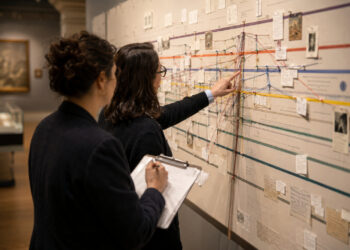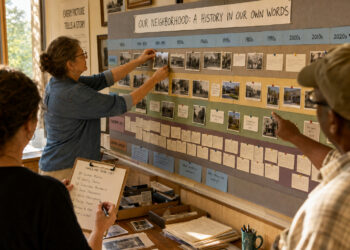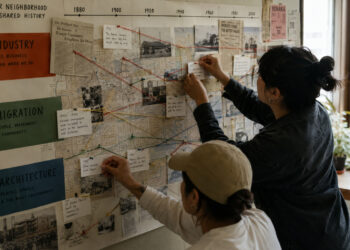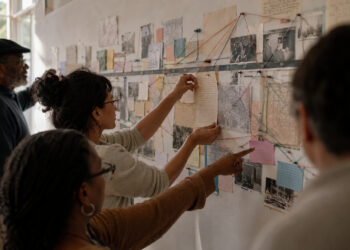

Timelines are a compact way to introduce people to the flow of local history while inviting questions rather than presenting a single story. Good timelines balance dates, context, and visual hierarchy so visitors can scan and then dig deeper. When designed for public spaces, they should highlight connections between events and everyday life. This article outlines practical steps to build timelines that prompt curiosity and support community engagement.
Start with clear decisions about purpose, audience, and the questions you want visitors to ask. These choices shape scale, level of detail, and the kinds of sources you present.
Define Audience and Purpose
Identify who will use the timeline and why: casual passersby, school groups, or researchers each require different treatments. Consider what you want visitors to take away — a sense of continuity, an answer to a local question, or a prompt to explore further. Defining purpose early prevents clutter and helps prioritize content. Keep a short list of user goals to guide editorial choices.
Translate those goals into simple design constraints: maximum event count, preferred time span, and desired reading time. These limits make the next stages manageable and focused.
Choose Scale and Focal Threads
Decide on temporal scope and the threads — political, cultural, economic, environmental, or personal — that will run through the timeline. Multi-thread timelines let readers compare developments across themes, while single-thread timelines provide depth on a specific topic. Use a primary thread for orientation and secondary threads for context so the display remains readable. Selecting threads also helps determine which events are essential versus illustrative.
Limit the number of simultaneous threads to avoid visual overload and encourage connections between items rather than competition for attention.
Layer Context and Sources
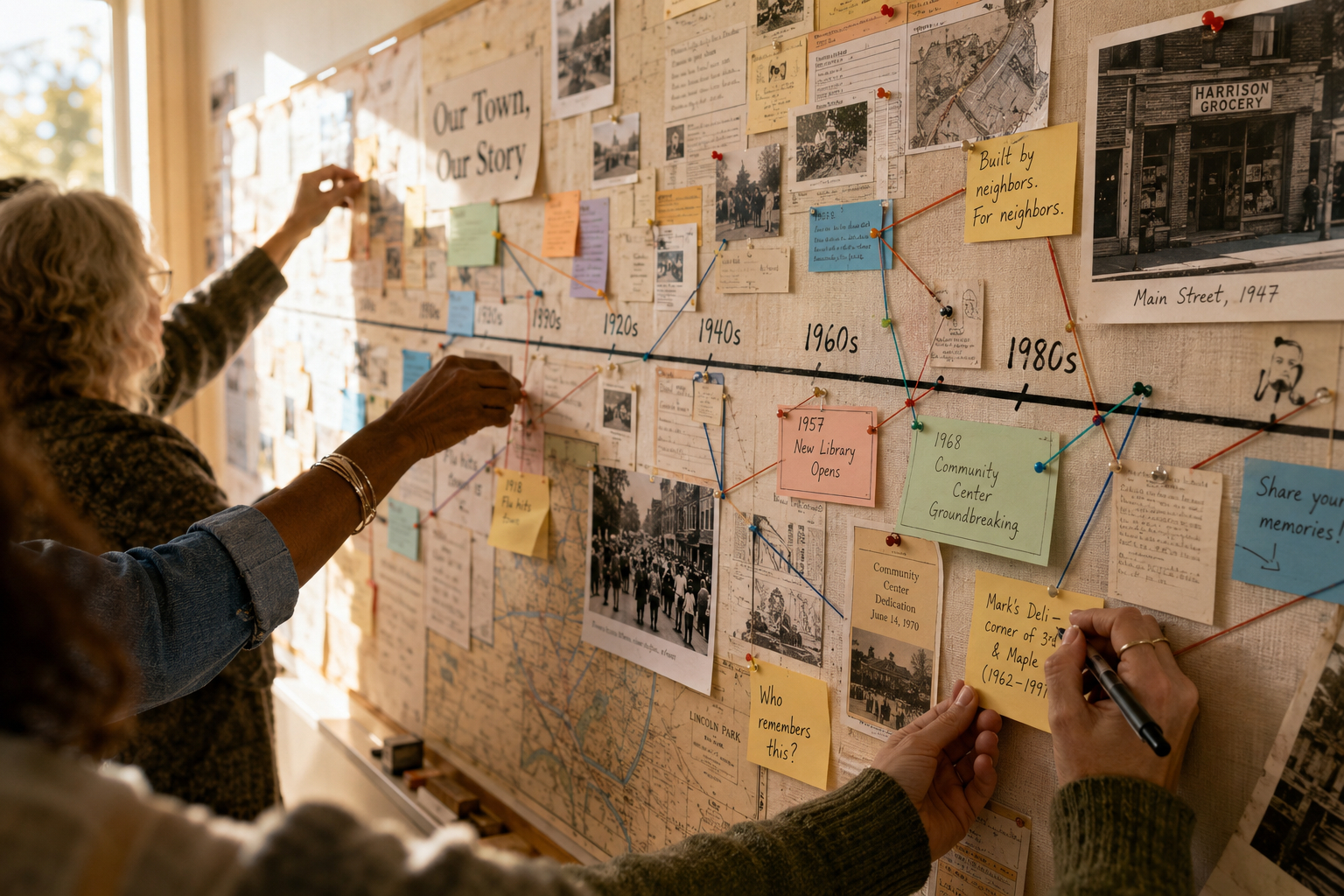
Pair dates with short contextual captions that answer who, what, where, and why in plain language. Where possible, link events to primary sources, images, maps, or quotes to invite further exploration and to show evidence. Use a simple legend or icons to indicate source types so users know when they are seeing eyewitness material, official records, or interpretive text. Clear sourcing builds trust and invites users to follow the trail of evidence on their own.
- Photographs and maps
- Newspaper excerpts and diary quotes
- Official records and oral histories
These layers let visitors move from quick scanning to close reading at their own pace, which deepens engagement and learning.
Design for Readability and Exploration
Prioritize legible typography, consistent spacing, and a clear visual hierarchy so key moments stand out. Provide entry points at multiple levels: a headline narrative, dated entries, and links or QR codes to deeper resources for those who want more. Consider mobile-friendly or interactive versions that allow users to filter threads or zoom into periods. Test prototypes with real users and iterate based on what helps them discover patterns and ask new questions.
Good timeline design balances clarity with invitation: it should answer basic questions quickly while leaving space for curiosity and further research.
Conclusion
Effective public timelines start with decisions about audience and purpose and use focused threads to reveal connections. Layered context and clear sourcing invite deeper inquiry and build trust. With readable design and opportunities to explore, timelines become gateways to ongoing community engagement.