
Regions are not only defined by lines on a map but by the habitual practices, material traces, and social networks that weave together everyday life. Historians can read these ordinary elements as archives that reveal continuity, change, and belonging across time. Looking at markets, footpaths, ritual calendars, and household objects uncovers how people produced and negotiated regional identity. This piece outlines methods and lenses that make those invisible threads visible to researchers and curious readers.
Everyday Places as Archives
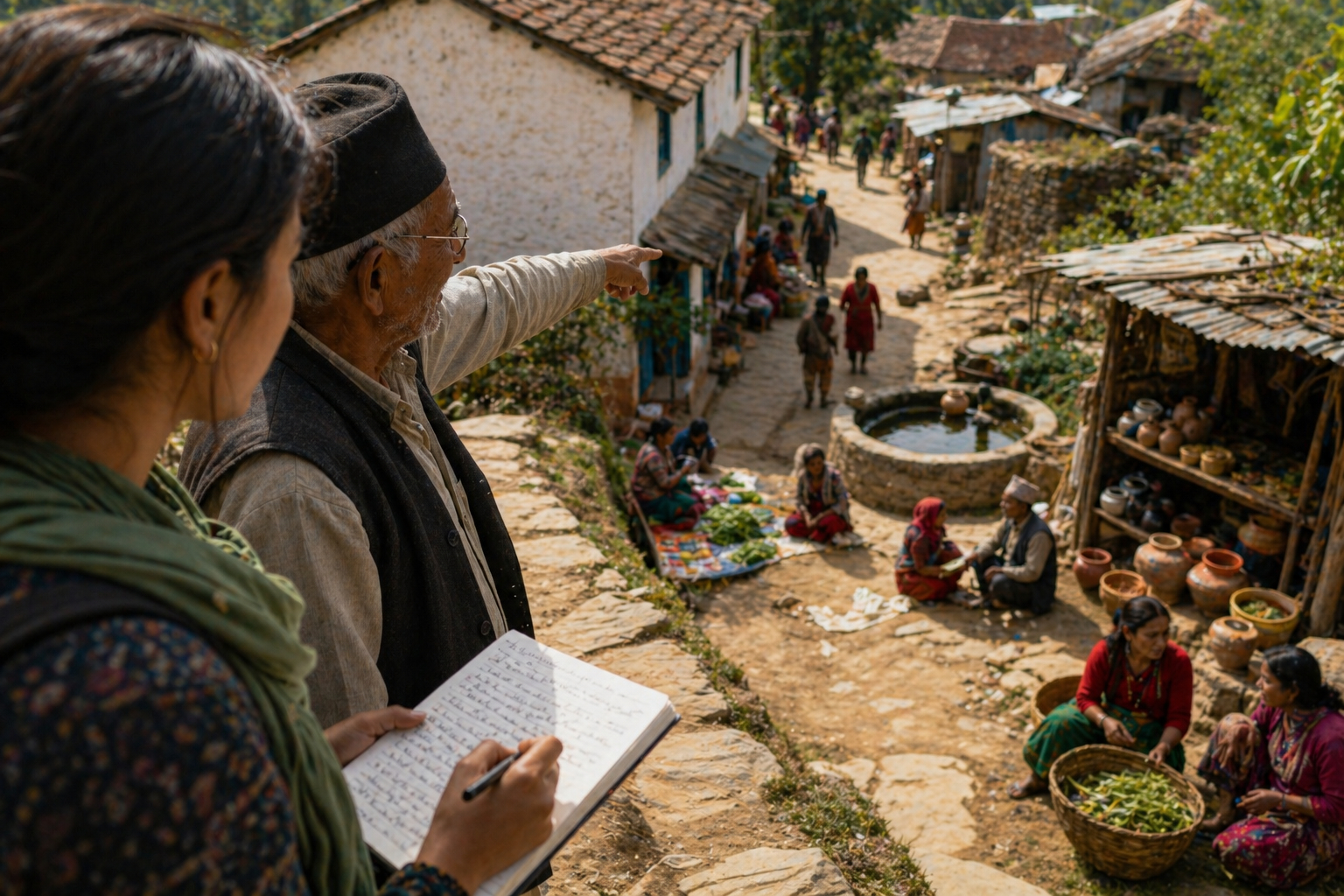
Ordinary places—shops, lanes, fields, and communal wells—often preserve routines and relationships that formal records omit. By attending to patterns of use, repair, and commemoration, researchers can reconstruct local rhythms and priorities that shaped social life. These sites accumulate evidence: wear on a bench, layered signage, or graffiti that signals long-standing practices and contested meanings. Treating everyday places as living archives helps recover voices that do not appear in official documents.
Such attention also shifts the scale of study from institutions to lived experience. It invites collaboration with residents who can interpret embodied knowledge and point to subtler continuities. Combining observation with oral testimony strengthens claims about how places mattered.
Networks and Practices That Bind
Trade routes, kinship ties, seasonal labor flows, and ritual circuits create networks that produce a regional coherence beyond administrative borders. Tracking these connections reveals how goods, ideas, and people moved and shaped shared practices. Everyday exchanges—barter at a market, gift-giving at life-cycle events, or collective farming tasks—help sustain norms and local reputations. Mapping these flows emphasizes process over static categories and reconnects microhistorical detail to larger movements.
Considering networks foregrounds mobility as a constitutive element of regions. It also highlights how communities adapted practices to new pressures while maintaining certain anchors of continuity.
Material Traces and Local Memory
Objects and built features carry memories that inform how inhabitants imagine their region. Household tools, religious paraphernalia, and vernacular architecture encode preferences, labor histories, and external influences. When combined with photographs, diaries, and oral histories, material culture helps piece together everyday strategies of survival and belonging. Conservation of seemingly mundane items can therefore transform local memory into a resource for regional history.
Interpreting material traces requires sensitivity to multiple meanings and temporal layers. Scholars should avoid assuming single explanations and instead present a plural, evidence-based account of local memory.
Conclusion
Reading regions through everyday life foregrounds the practices and connections that sustain collective identities. This approach complements institutional narratives by restoring the rhythms and artifacts of daily experience. In doing so, it opens richer, more inclusive histories of place.