Regional history emerges where people live their daily lives and shape the land through habits, work, and memory.
Looking at ordinary places — streets, thresholds, fields, markets — reveals patterns that formal political maps often miss.
Combining material evidence, local testimony, and archival fragments helps historians trace how regions form and persist.
This approach foregrounds small-scale change and durable practices as keys to understanding long-term regional identity.
Reading Physical Layers
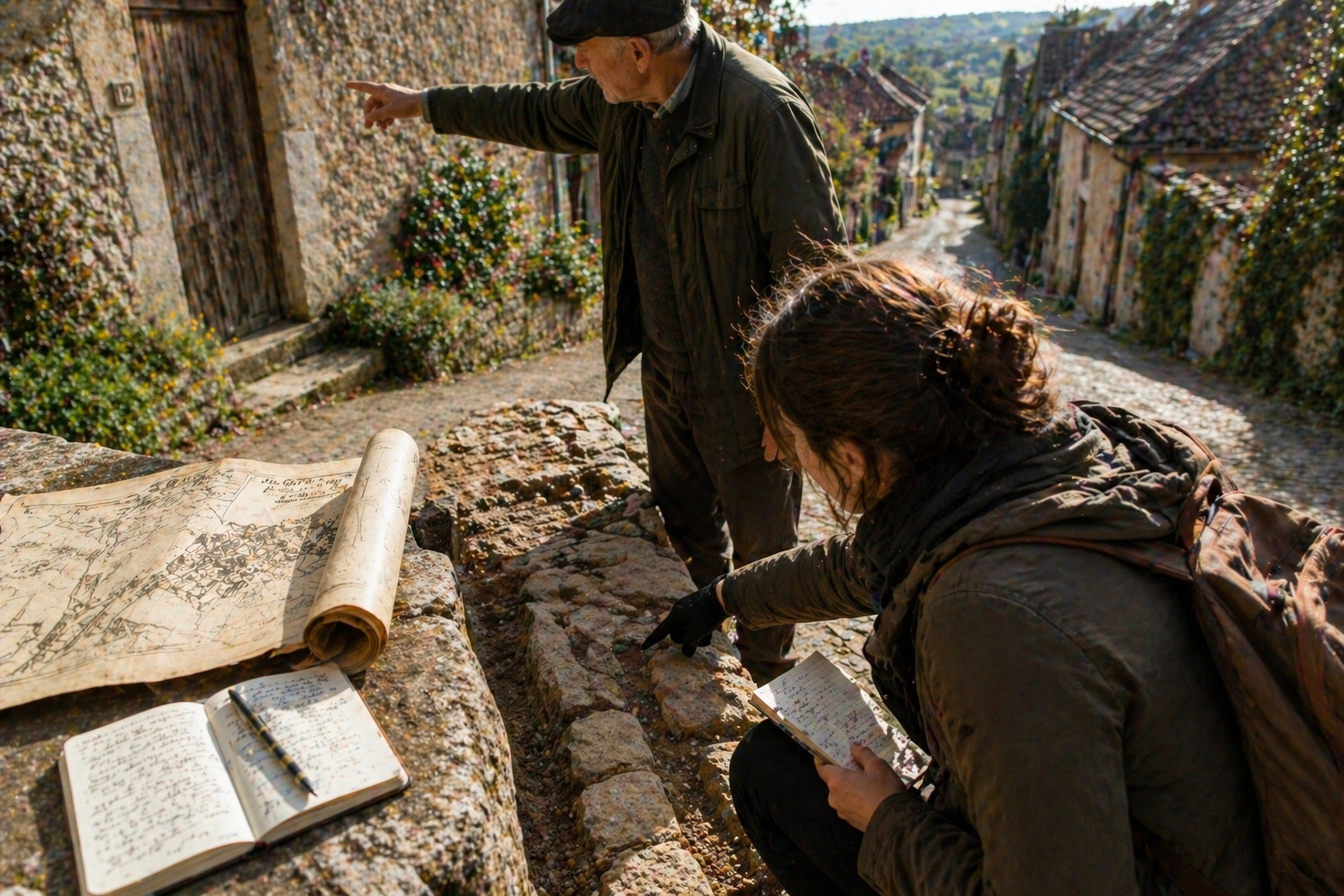
The built environment acts as a palimpsest: successive uses, repairs, and additions leave a readable trace in masonry, roadbeds, and garden plots. Careful observation of construction techniques, reused materials, and shifts in spatial organization can indicate economic shifts or cultural encounters. Historic maps, aerial photos, and measured drawings allow comparison across time and help locate continuities beneath visible change. Fieldwalking and material culture studies link artifacts in situ to broader narratives about labor, trade, and resource use.
Practically, this means integrating archaeological sensibilities into local history projects and treating the everyday landscape as primary evidence. The aim is to let layers tell a sequence rather than imposing a single explanatory thread.
Everyday Practices and Local Memory
Daily routines — market days, seasonal work, religious observances, and household labor — embed knowledge of place in repeated actions and informal norms. Oral histories, family papers, and community records often preserve the vocabulary of these practices, revealing how people understood boundaries, obligations, and belonging. Paying attention to vernacular landmarks and habitual routes uncovers networks of care, exchange, and reputation that formal sources omit. Memory studies illuminate how communities choose which episodes to memorialize and which to let fade.
When historians center practice and memory, they recover regional coherence built from lived experience rather than only institutional design. This approach highlights the practices that sustain identity across generations.
Networks, Economy, and Mobility
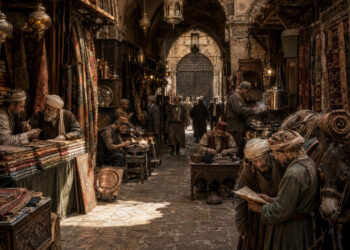
Regions are produced by flows: goods, people, information, and capital moving along roads, waterways, and social ties. Markets, seasonal migration, and transport infrastructures shape where resources concentrate and where peripheral places persist. Examining account books, tariffs, and connectivity patterns reveals how economic ties reorganize local landscapes and social hierarchies over time. Attention to mobility also shows how external connections matter for local meaning without erasing distinctiveness.
Understanding these networks situates small-scale observations in broader processes, connecting household choices to regional transformations. The combined view links micro-practices with macro-patterns.
Conclusion
Examining everyday places and practices reveals how regions are actively made and remade through time.
A material and practice-focused approach balances archives with landscape evidence and local testimony.
This combined perspective helps historians tell richer, more grounded stories of regional life.