

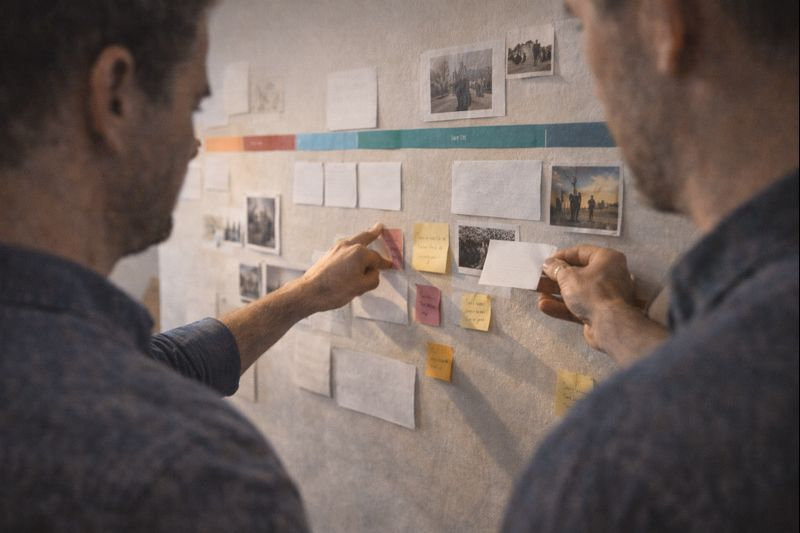
Creating a public historical timeline requires clear choices about scope, voice, and audience. Good timelines balance selective detail with an accessible narrative so visitors can both skim and dig deeper. Thoughtful structure helps readers see connections across periods without getting lost in dates. This article outlines practical steps for planning, designing, and sourcing timelines for public use.
Define Scope and Narrative Focus
Start by deciding the temporal span and the main story you want the timeline to tell. Narrowing focus—whether thematic, geographic, or institutional—prevents information overload and makes research manageable. Identify 8–15 anchor events that will serve as narrative milestones and gather supporting items around them. This approach keeps the timeline coherent while allowing room for secondary details.
Keep audience needs central when choosing scope and depth. A school audience will expect different context than a museum visitor, so tailor language and supporting labels accordingly. Clear scope reduces revision cycles and improves interpretive consistency.
Establish Visual Hierarchy and Readability
Visual clarity is essential: hierarchy should guide the eye from anchors to secondary events and then to sources. Use size, color contrast, and spacing to differentiate event importance, and choose legible type sizes for both headings and body text. Avoid clutter by limiting concurrent visual elements and grouping related items. Consistent alignment and grid structure help readers scan efficiently.
- Anchor events: prominent size and clear date labels
- Secondary items: smaller cards or icons with brief descriptions
- Interactive cues: subtle indicators for expandable content
Test layouts at the actual display size to ensure text remains readable and relationships clear. Iterative user feedback will reveal where the visual hierarchy needs adjustment.
Layering Information and Interaction
Provide multiple access points for different user intents: a broad overview, themed lenses, and detailed pop-ups for research. Layering allows casual visitors to see the arc while offering depth to those who want it. Consider chronological bands, thematic filters, and zoom levels to manage complexity without losing continuity. Interaction should be predictable and reversible so users can explore safely.
Design interactions that degrade gracefully for non-interactive formats like prints or panels. Clear signposting helps all visitors understand available layers and find the depth they need.
Research Practices and Attribution
Build the timeline on solid evidence and transparent sourcing to maintain credibility. Record provenance for each item and resolve chronological conflicts by noting uncertainties or alternative interpretations. Short source attributions on entries and a comprehensive bibliography improve trust and allow follow-up research. Where possible, link to digitized primary sources or curated collections for deeper engagement.
Plan a review workflow with subject experts to catch errors early and document revision history. Clear attributions also support ethical use and public trust in the timeline.
Conclusion
Start with a clear scope and a handful of anchor events to shape the narrative.
Test visual hierarchy and design for multiple audience depths.
Document sources and iterate with users to keep the timeline useful and credible.