

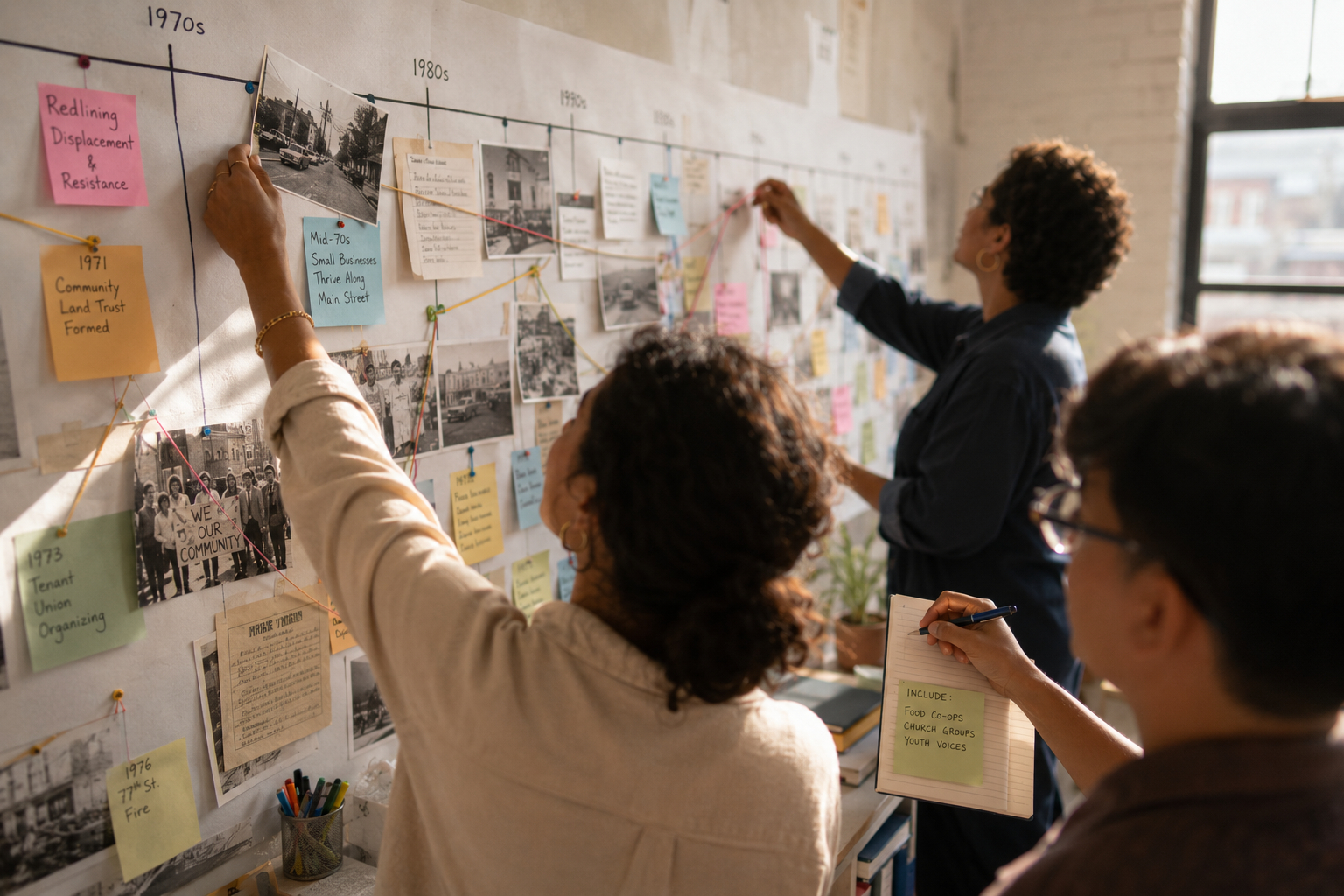
Timelines are powerful tools for showing change over time and revealing patterns that shape daily life. Effective timeline planning balances chronological accuracy with narrative clarity so audiences can grasp relevance quickly. This article outlines practical steps for defining scope, arranging visual hierarchy, layering context, and testing with users. Those approaches help historians, educators, and community projects turn collections of dates into intelligible stories.
Define scope and narrative
Begin by deciding what the timeline must answer and who it serves. Narrowing scope reduces clutter: choose a period, theme, and a limited set of focal events that support a clear argument or question. Include a short statement of intent that will guide selection and keep editors from adding peripheral items. This stage sets expectations for both researchers and audiences.
Be explicit about inclusion criteria and provenance so decisions are defensible. When contested events arise, note conflicting evidence rather than omitting them entirely.
Establish visual hierarchy and scale
Visual hierarchy helps viewers read a timeline at a glance and then dive deeper. Prioritize major turning points with larger markers, use secondary tracks for concurrent themes, and reserve color or weight to signal significance. Choose a time scale that matches the pace of change: decades for long social shifts, years or months for rapid developments. Consistent spacing and clear labels reduce cognitive load and prevent misunderstandings.
Test different marker sizes and spacing to find an arrangement that communicates without overwhelming. Maintain legibility across likely display formats, from print to mobile screens.
Layer context and sources
Context transforms dates into narratives by connecting events to causes, effects, and lived experience. Add concise explanatory notes, images, or quotations that illuminate why an item matters rather than only when it happened. Include visible citations or links to primary sources so curious users can verify or explore further. Layering allows multiple perspectives to coexist without erasing complexity.
Structure layers so the timeline can be read at different depths: headline level for quick orientation and annotated level for deeper inquiry. Clearly distinguish interpretation from primary evidence.
Prototype and test with audiences
Build rapid prototypes and gather feedback from representative users early and often. Observe how people scan the timeline, which points attract attention, and where confusion arises. Iterative testing uncovers hidden assumptions about prior knowledge and reveals labeling or scale problems. Use low-cost methods such as paper mockups or simple interactive demos before final production.
Adjust content and design based on observed behavior, not just committee preference. Clear documentation of revisions preserves rationale for future updates.
Conclusion
Good timeline planning blends clear scope, thoughtful hierarchy, contextual layering, and user testing to make history legible. Small decisions about scale and labeling have outsized effects on comprehension and engagement. Apply these practices to help audiences see the patterns that connect past events to present experience.